

Renesas
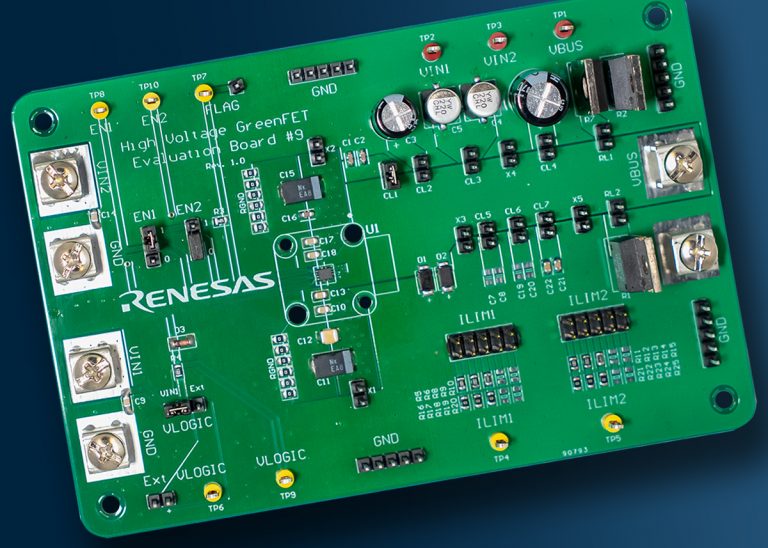
The SLG59H1405V-EVB board provides a ready-made platform for evaluating the SLG59H1405V high-voltage GreenFET load switch.
The SLG59H1405V-EVB board provides a ready-made platform for evaluating the SLG59H1405V high-voltage GreenFET load switch.
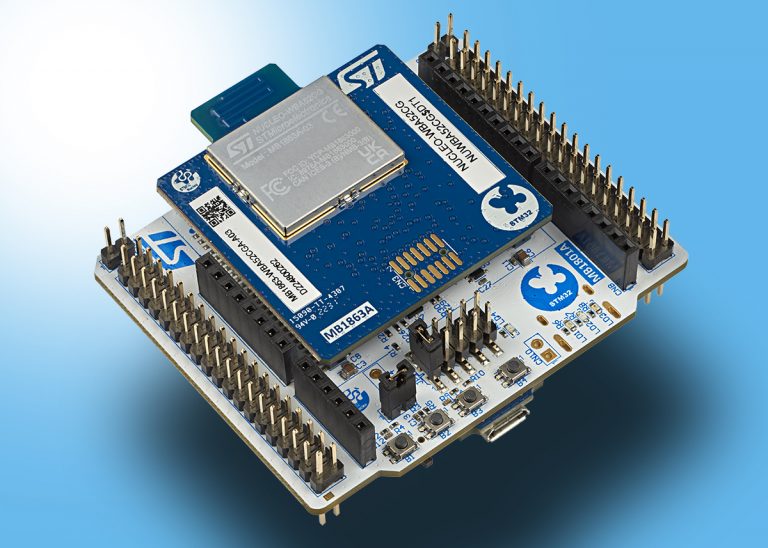
The NUCLEO-WBA52CG is a board for developing applications that use the Bluetooth® Low Energy wireless networking capability, low power consumption and advanced security features of the STM32WBA52 wireless microcontroller.
The board supports ARDUINO Uno V3 connectivity. ST morpho headers allow easy expansion of the functionality of the STM32 Nucleo open development platform with a wide choice of specialized shields.
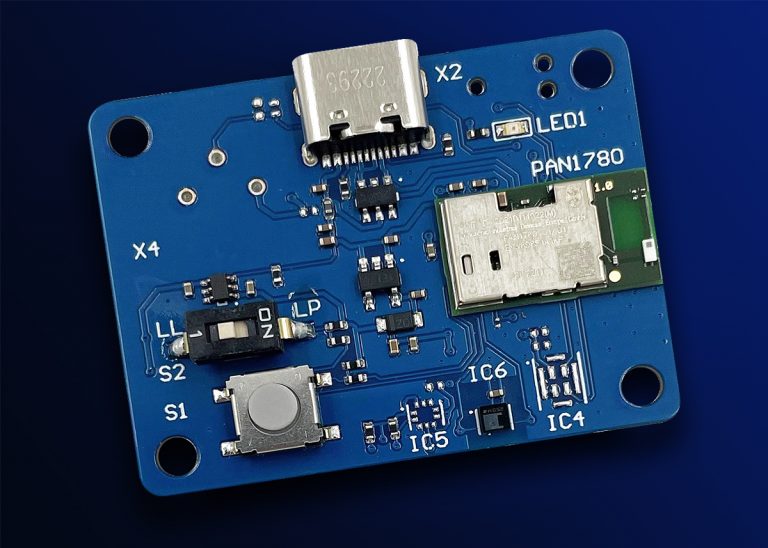
The PAN1780 Wirepas Mesh Demo Kit is an evaluation kit consisting of four battery-powered PAN1780 sensor nodes, and a sink that allows the engineer to set up a Wirepas network in just a few steps, at any time and any place.
The kit consists of:
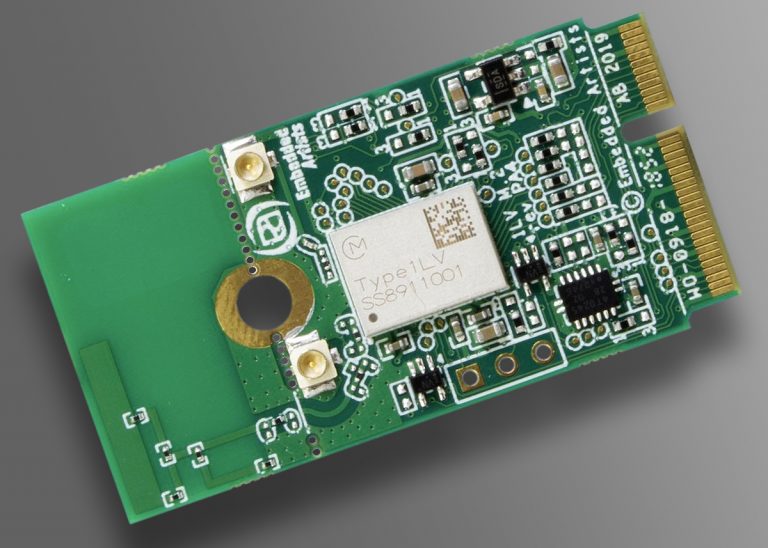
Embedded Artists provides a modular and flexible approach to the evaluation of Wi-Fi® and Bluetooth® solutions, enabling designers to judge the trade-offs between performance, cost, power consumption, and longevity. The Embedded Artists 1LV M.2 Module board is intended for development with the Murata Type 1LV module, which is based on the Infineon CYW43012 Wi-Fi/Bluetooth system-on-chip, and requires an M.2 connector and host processor for full evaluation.
The Embedded Artists board provides access to maintained software drivers for the Linux® operating system and Infineon WICED firmware. The kit has been developed in close collaboration with Murata and Infineon.
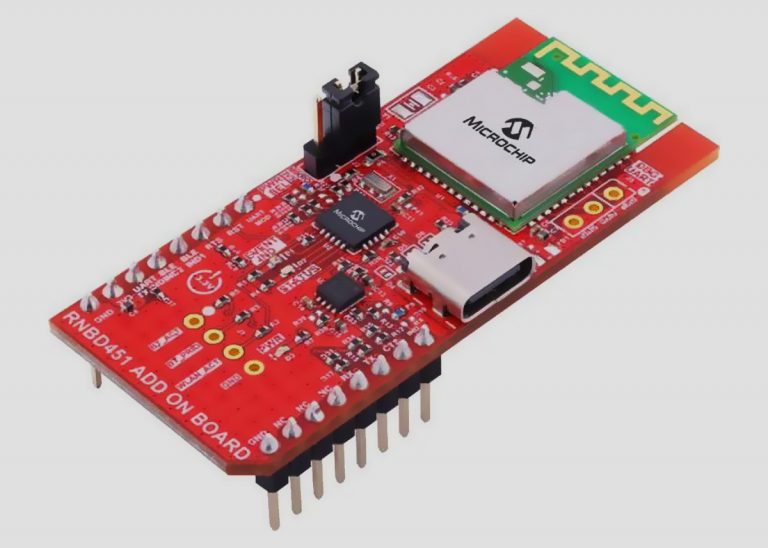
The RNBD451 Add-On Board is an efficient, low-cost development platform based on the RNBD451PE Bluetooth® Low Energy module from Microchip.
The board complies with the mikroBUS™ add-on bus standard. It also includes an on-board MCP2200 USB-to-UART converter, enabling out-of-the-box evaluation with no other hardware requirements.
The RNBD451 Add-On Board supports a wide range of applications:
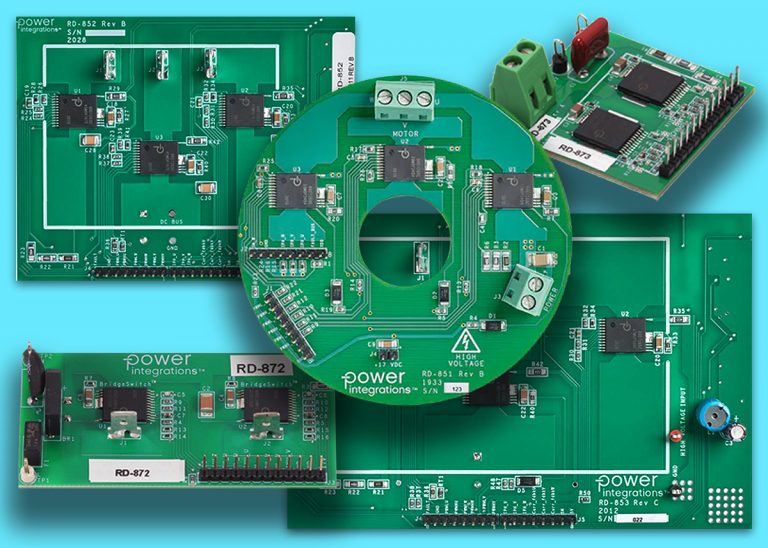
Part supported: BRD1265C
Kit part number: RDK-964
Reference design for a 300 W 3-phase inverter using BRD1265C with IPH current information in field-oriented Control (FOC) operation